
Biodiversity and Natural Capital
Reposition nature from another perspective
A new field is examining nature and the biosphere as providers of services. The biosphere is the part of the planet where life exists. One-third of what we eat and wear depends on pollination by bees. Bees are dying due to viruses, parasites, pesticides, and climate change, all of which have been blamed, as has modern monoculture agribusiness (Benjamin & McCallum, 2009).
Biosphere Integrity
The integrity of biosphere processes is vital for the survival of life and humanity. Its significance drives the development of appropriate strategies, measures, and considerations to incorporate the Earth’s natural processes into the social sphere, including the economic aspect, recognising that natural capital and ecosystem services also play a crucial role.
There are several possible definitions of Natural Capital, but a practical one is “the elements of nature that produce value (directly and indirectly) for people.” Capital refers to any resource used in the production of goods or services. In their seminal 1997 work, Costanza and other researchers quantified the world’s ecosystem services and natural capital (Costanza et al., 1997).
Ecosystem Services
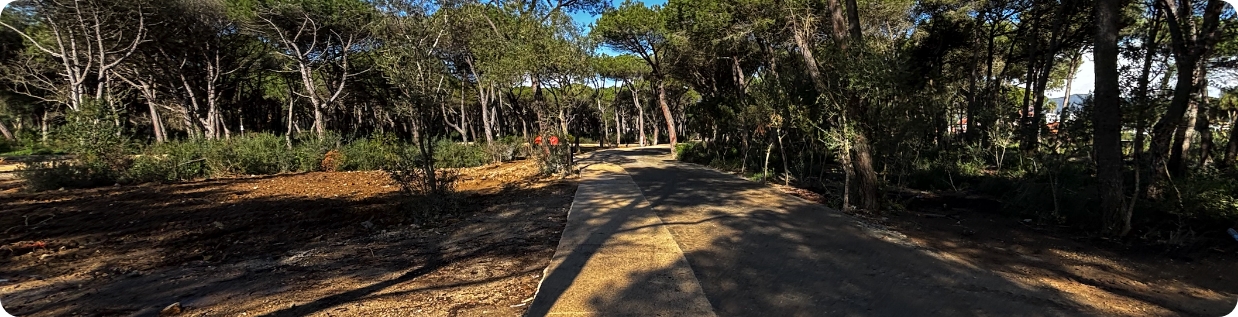
Ecosystem services are the direct and indirect contributions that ecosystems, also known as natural capital, provide to human well-being and quality of life. These can be practical, such as supplying food and water and regulating the climate, and cultural, such as alleviating stress and anxiety. The extensive range of ecosystem services can be organised into more manageable groups: provisional, regulatory, cultural, and, somewhat more ambiguous, supporting services, as illustrated in the figures. Information on natural capital and ecosystem services (among other things) can help internalise the biosphere’s effects on human and economic activities, serving as a foundation for pursuing more effective sustainability.
Nature-Based Solutions
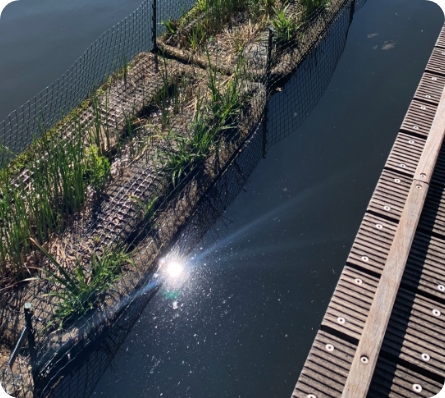
Nature-based solutions, which involve harnessing nature’s potential and working with nature, have increasingly emerged as a promising contributor to greener options and the pursuit of sustainability. These solutions have been applied to various purposes, including water and flood management, wastewater treatment, landscaping services, and the integration of buildings with ecosystem services, like the wastewater treatment plant in Alcântara (Lisbon), with its extensive green cover.