
Sustainable Built Environment
Green Buildings
The dynamics of sustainable development during the 1990s gained momentum with the United Nations Conference on Environment and Development held in Rio de Janeiro (1992), which challenged various sectors and agents, such as municipalities, with the publication of Local Agenda 21, as well as the construction and real estate sectors, which progressively sought sustainability. The most widely accepted definition was provided by Charles Kibert in 1994, who defines sustainable construction (from an ecological perspective, known as green) as “the creation and responsible management of a healthy built environment, taking into account ecological principles (to avoid environmental damage) and the efficient use of resources” (Kibert, 1994).
Sustainable construction, also known as green building, seeks to harmonise humans with nature and utilise natural resources. These aspects help protect the environment and find practical solutions. Sustainable construction is a product of modern technological society, whether or not it uses natural materials or recycled waste products. It emphasises the importance of a holistic, integrated, and practical approach from an interdisciplinary perspective as an effective way to put these principles into practice.
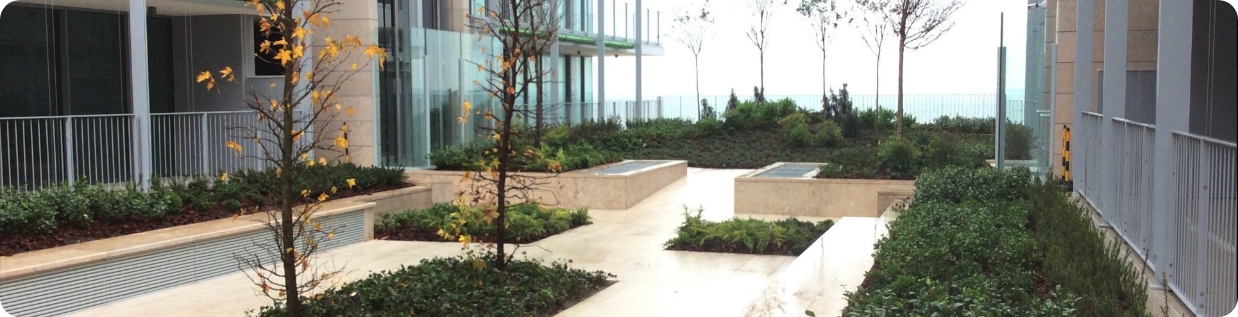
Life cycle and different phases
Sustainable construction offers a new approach to considering the entire life cycle of buildings and built environments, encompassing the design, construction, operation, and deconstruction or demolition phases. Traditionally, concerns focus on product quality, time, and costs.
However, sustainable construction heightens these environmental concerns related to resource use, pollutant emissions, health, comfort, and biodiversity, forming a new paradigm where the main challenge is to enhance quality of life, economic growth, and social equity (Agenda 21).
At the end of the 20th century, moving towards sustainability involved repositioning the environmental, social, and economic aspects of construction in an integrated way, starting from the initial phase and adopting them strategically. Therefore, the main characteristics of sustainable construction are understood to include appropriate location and environmental integration, high efficiency in resource use (water, energy, materials, and food), reduced emissions and impacts, adequate comfort, high durability and accessibility with guaranteed quality, consistent environmental and sustainable management, and a proactive pursuit of innovation.
Different perspectives and interpretations
Sustainable construction varies in approaches and priorities across different countries. Some nations recognise economic, social, and cultural aspects as part of the concept of sustainable construction, while only a few consider them essential. The sustainable construction approach should also focus on issues like poverty, underdevelopment, and social equity.
The importance of these various aspects is linked to characteristics such as population density, demographics, the national economy, standard of living, geography, natural and human risks, the availability of energy, water, and food, the structure of the construction sector, or the quality of existing buildings, to complete the national interpretation of the considered definition and the respective approaches.
Integrated Approach and the Pursuit of Sustainability
The key elements in defining sustainable construction include reducing energy consumption and mineral resource depletion, conserving natural areas and biodiversity, maintaining environmental quality, and managing health. One reason for the differences in priorities regarding sustainable construction across countries may be linked to their level of development and how they perceive key issues. The approach expands and links construction and buildings with infrastructure and urban areas within the framework of a sustainable built environment.

Life Cycle Consideration
Products, services, and activities have environmental effects (impacts) that are not limited to their use but extend throughout their entire life cycle. Specifically, materials extracted from nature are affected by this process. They are transformed, packaged, transported, and sometimes shipped to their destination at the end of their use, causing impacts during these stages.
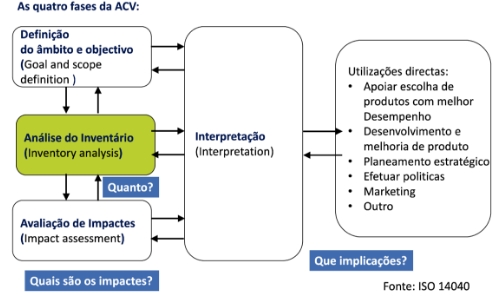
Sometimes, significant environmental impacts (such as consumption, emissions, or others) occur during the use or consumption of energy and materials. However, it is often found that their most substantial impact happens during the extraction and production of materials or at the end of their useful life. It is essential to consider the life cycle and its assessment. Life cycle assessment (LCA) involves analysing and evaluating the impacts of extraction, transportation, production, on-site assembly, use, and end-of-life.
The main phases of the LCA assessment framework, as defined in the ISO 14040 standard, are four: (1) objective and scope, (2) inventory, (3) evaluation, and (4) review and interpretation. The results identify the life cycle stages, such as material selection, product development or improvement, and strategic planning. The 4Rs develop comprehensive life cycle assessment studies or studies on specific environmental factors, such as carbon footprint and others.