
Energy Transition
Energy focus is growing
The assessment of projects lasting up to 20 years examines energy needs, potential contributions, and the environmental impact of energy projects. The role of energy, especially through renewable projects, is increasing. In recent decades, climate change and mitigation efforts have prioritised reducing carbon emissions and greenhouse gases, further driving the energy transition.
Carbon Neutrality
The drive for carbon neutrality by 2050 will challenge all sectors and projects. Energy use in the built environment is substantial (30 to 40% in buildings and over 50% in urban areas). Since a large portion comes from fossil fuels, combustion releases carbon dioxide (CO2) and other greenhouse gases that contribute to global warming. Reducing carbon emissions is also a crucial issue.

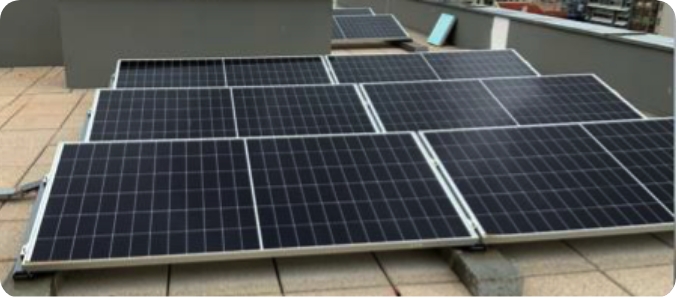
Energy and Carbon Flow Assessments
Currently, studies and other environmental assessments detail the flow of energy in buildings and the carbon emissions and absorption in both project-based and non-project-based contexts. Performing impact analyses on energy consumption and carbon emissions, and implementing measures to reduce and manage them, is essential. This includes adopting bioclimatic approaches in building design, improving energy efficiency, and promoting renewable energy sources and usage patterns.
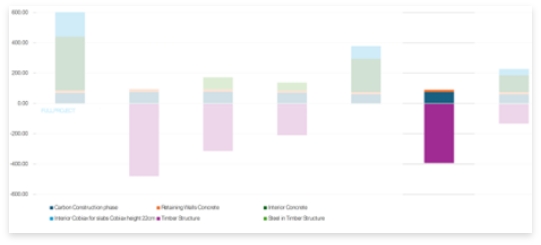
Quantifying and Managing Carbon
The pursuit of carbon neutrality also encourages the evaluation of energy and carbon balances using metrics like carbon footprints. Organisations are increasingly adopting measures to manage their carbon balances towards neutrality, often aiming for performance certification to demonstrate their commitment to sustainability